
The One Thing Every Spring Garden Needs (And It’s Not Plants)
Spring is often seen as the season of planting. Garden centres fill with colour, bulbs begin to bloom, and the focus naturally shifts to what can be added to bring life back into outdoor spaces. Read MoreBut before any planting truly takes hold, there’s something more important to consider.
Structure.
It’s easy to overlook, especially when the excitement of spring arrives, but structure is what gives a garden shape, balance and presence all year round. Without it, even the most vibrant planting can feel temporary or unfinished.
Why structure matters more than you think
Plants change constantly. They grow, fade, get replaced and evolve with the seasons. Structure, on the other hand, remains.
It anchors the space.
In early spring, when planting is still developing, structure becomes even more important. It gives the garden a sense of purpose before borders are full and colour is at its peak.
Without it, gardens can feel empty between seasons.
Building the bones of the garden
Creating structure doesn’t mean redesigning your entire outdoor space. Often, it’s about introducing a few well-placed, permanent elements that guide the eye and define the layout.
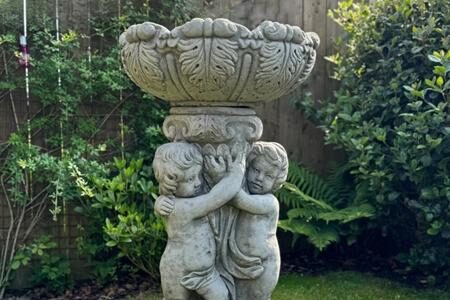
Stone planters, troughs and garden ornaments are particularly effective because they bring both weight and presence. They don’t rely on planting to be noticed. Instead, they stand confidently on their own, supporting the garden through every stage of the year.
Placed thoughtfully, they can:
Frame an entrance
Define a pathway
Create symmetry
Anchor a seating area
These small decisions shape how the garden feels as a whole.
Why stone works so well
Material plays a key role in how structure is perceived. Stone offers a natural, timeless quality that blends effortlessly into the garden.
It doesn’t compete with planting, it complements it.
As the seasons change, stone adapts. In spring it highlights fresh growth, in summer it supports full planting, and in autumn and winter it becomes the dominant feature once again.
This consistency is what makes it so valuable.
Let planting follow structure
One of the most effective ways to approach spring gardening is to reverse the usual process.
Instead of starting with plants, start with placement.
Decide where structure is needed. Introduce planters, troughs or ornaments to create balance. Then layer planting into those spaces.
This approach creates a garden that feels intentional rather than temporary.
A garden that lasts beyond the season
Spring is the beginning of the gardening year, but the best outdoor spaces are designed to work beyond a single season.
By focusing on structure first, you create a foundation that supports everything that follows. Plants can change, colours can evolve, but the garden itself remains balanced and complete.
And often, it’s these quieter, more permanent elements that make the biggest difference.